The Fire Escape: How to Sell Your First Home in Under 60 Days
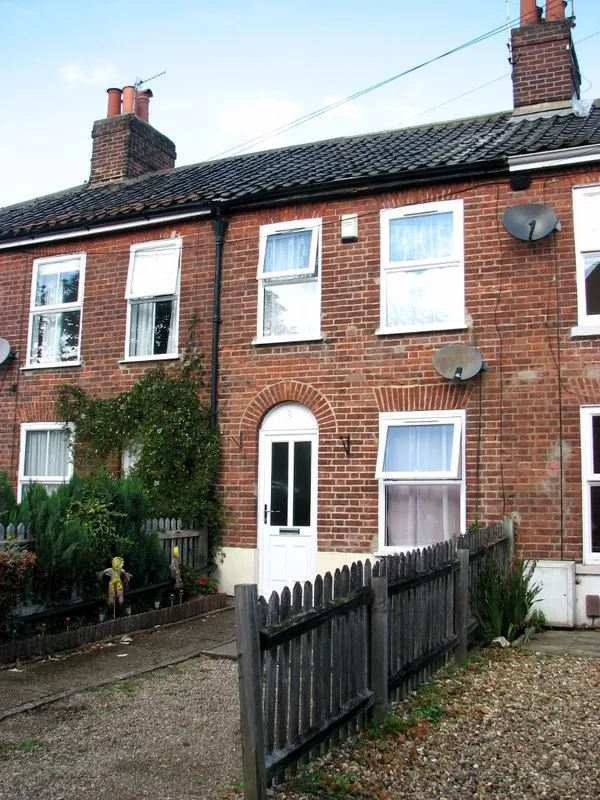
Photo: Evelyn Simak , CC BY-SA 2.0, via Wikimedia Commons
We spend a lot of words here on the climb — deposits, mortgage rates, the endless refreshing of Rightmove. What we talk about far less is the descent. Yet plenty of first-time buyers find themselves needing to sell within a year or two of buying. A job in Glasgow when you bought in Guildford. A relationship that ended before the kitchen tiles did. Or simply the honest admission that you bought the wrong flat.
There's no shame in it. But if you need to sell fast, the standard six-month estate agent amble won't do. Here's how the fast sale actually works.
Price for the Exit, Not the Ego
Speed and price are in permanent tension. If you want an offer inside three weeks, you cannot price at the top of the last six months of sold data — you need to price at or just below it.
Look at what similar properties actually sold for (the Land Registry sold price data, not asking prices), then list 3-5% under the most comparable one. You're not giving money away; you're buying attention. A well-presented home that's the cheapest of its type on a Saturday morning portal search gets viewings. Viewings get offers. Offers within a fortnight put you on track for completion inside two months.
The trap is 'test the market at £5k more and reduce later'. Every week at a stale asking price makes your listing older, staler and more suspicious to buyers. Reductions read as desperation; a sharp initial price reads as a bargain.
Pick Your Buyer Like You'd Pick a Ladder
Not all offers are equal. A buyer with a mortgage agreed in principle, no chain behind them, and cash in the bank for the deposit is worth more than a marginally higher offer from someone in a four-house chain.
If speed is the priority, ask every prospective buyer:
- Are you a first-time buyer or do you have a property to sell?
- Is your mortgage agreed in principle, and with which lender?
- Have you sold before, and how long did it take?
A cash buyer — rare, but they exist, particularly for smaller flats — can complete in three weeks. A chain-free, mortgage-approved buyer will typically take six to eight. Anyone who needs to sell first is a wildcard, however lovely they are.
Some sellers also consider quick-sale companies or cash-buying firms. Be clear-eyed: they typically offer 10-20% below market value in exchange for certainty. That's a legitimate trade if a house move in four weeks is worth £15,000 to you — and genuinely not if it isn't.
What 'Sold STC' Actually Protects You From
Once you accept an offer, your listing becomes 'Sold Subject to Contract'. This is the bit most sellers don't understand: it protects you from almost nothing.
Sold STC means you've agreed a price and the legal process has started. Either side can still walk away until exchange of contracts — the buyer can pull out after a survey, after their mortgage valuation, or because they've had a better Tuesday. Around one in three sales in England and Wales falls through before completion.
What actually reduces fall-through risk:
- Instruct a conveyancer on day one, before you even accept an offer. Having your paperwork ready — title deeds, leasehold pack, fixtures and fittings form — shaves weeks off.
- Get the Energy Performance Certificate and any leasehold information ordered immediately. Missing leasehold documents are the single biggest delay for flat sellers.
- Ask the buyer to use a proactive solicitor. Slow conveyancing is the number one killer of fast sales.
- In England, consider having a property information pack prepared upfront so searches aren't waiting on you.
Scotland works differently — offers are legally binding much earlier once accepted through a solicitor — so if you're selling north of the border, your fall-through risk is dramatically lower. One of the few places the Scottish system genuinely wins.
The Hidden Costs of Selling in a Hurry
Expedited sales come with a price tag beyond the reduced asking price:
- Early repayment charges. If you're on a fixed-rate mortgage — and most first-time buyers are — exiting early can trigger an ERC of 1-5% of your outstanding balance. On a £180,000 mortgage, that's potentially thousands. Check your deal date before you list anything. Sometimes it's cheaper to wait until your fix ends, or to ask your lender about porting.
- Estate agent fees of 0.5-1.5% plus VAT, payable on completion whether or not the sale was quick.
- Conveyancing and EPC costs, typically £1,000-£2,500 combined.
- Bridging the gap: if you've already committed to buying elsewhere or renting in a new city, you may need temporary finance — and bridging loans are expensive, as we've covered before.
- The negative equity risk. If house prices have dipped since you bought, or you purchased with a 5% deposit, selling within two years can mean the sale proceeds don't cover the mortgage. Do this maths before you list, not after.
A Graceful Descent Is Still a Landing
There's a stigma around selling your first home quickly, as though the ladder only goes up. It doesn't. Sometimes the right financial move is a fast, clean sale that preserves your deposit, protects your credit file and frees you up for whatever comes next.
Price honestly, choose a buyer who can actually complete, get your legal ducks in a row before the offer lands, and know exactly what your mortgage exit will cost. Do those four things and 60 days isn't a fantasy — it's a plan.
And when you're ready to climb again? The ladder will still be there. Probably at a slightly higher price. It usually is.