Buy Now or Bank Another Year? A Scorecard for the Toughest Call on the Ladder

Photo: Adam Jones from Kelowna, BC, Canada, CC BY-SA 2.0, via Wikimedia Commons
There's a version of this argument in every group chat in Britain. One mate insists prices only ever go up so you should buy yesterday. Another is convinced we're heading for a correction and renting is the shrewd play. Both are guessing. Neither is wrong, exactly — they're just applying their circumstances to your decision.
Because here's the truth the debate skips: rent-versus-buy isn't one question. It's five. Answer them honestly, score yourself, and the right move usually reveals itself.
The Five Questions
1. Is your salary on a staircase or a landing? If you're in a field with clear progression — and promotions realistically mean another £5–10k within two years — waiting has a hidden dividend: a bigger salary makes you a stronger borrower later. If your income is flat and predictable, waiting buys you nothing except another year of your landlord's mortgage payments.
2. What are prices doing where you're actually looking? National averages are noise. Check the last three years of sold prices (not asking prices) for your specific postcode. If your target area has risen faster than 3% a year, the price of waiting is measurable: every twelve months of saving is chased by a moving target. If prices are flat or drifting down, patience is genuinely being rewarded.
3. What does the rent actually cost you? Not emotionally — arithmetically. Compare annual rent against what you'd pay on a mortgage for the same property at current rates, then add the costs renting lets you dodge: maintenance, insurance, stamp duty, the boiler that packs up in February. In much of the North, Midlands and Wales, buying now comes out ahead. In parts of London, the maths is far less obvious.
4. How solid is your deposit buffer? If buying would drain you to the last £500, you're not climbing — you're free soloing. Rates, valuation downgrades and surprise fees punish thin buffers brutally. If you're short of a genuine emergency fund on top of the deposit, that's a point for waiting regardless of anything else.
5. How long are you staying put? This is the oldest rule in the book because it's still the best one. Buying costs — legal fees, surveys, stamp duty, the eventual sale — typically need three to five years of ownership to claw back. Planning to move cities for work or a relationship? Rent. Planning to put down roots? Every month of waiting is a month of someone else's equity, not yours.
Score Yourself
Give yourself a point for each 'yes':
- My salary has a realistic raise or promotion coming within two years
- Sold prices in my target area have risen more than 3% annually
- My monthly mortgage payment would be lower than my current rent
- I have 12 months of 'just in case' money left after the deposit and fees
- I genuinely expect to stay in this area for five years or more
Four or five — you're a Buyer. The numbers say the cost of waiting exceeds the benefit. Get an Agreement in Principle, speak to a broker about the whole market (not just your bank's range), and move with purpose. Every month of dithering is measurable money.
Two or three — you're on the fence, and the fence is expensive. Your tie-breaker is question two. If local prices are climbing, lean towards buying sooner with a smaller property — get on the ladder and trade up later. If they're flat, keep saving but set a review date so 'waiting' doesn't become drifting.
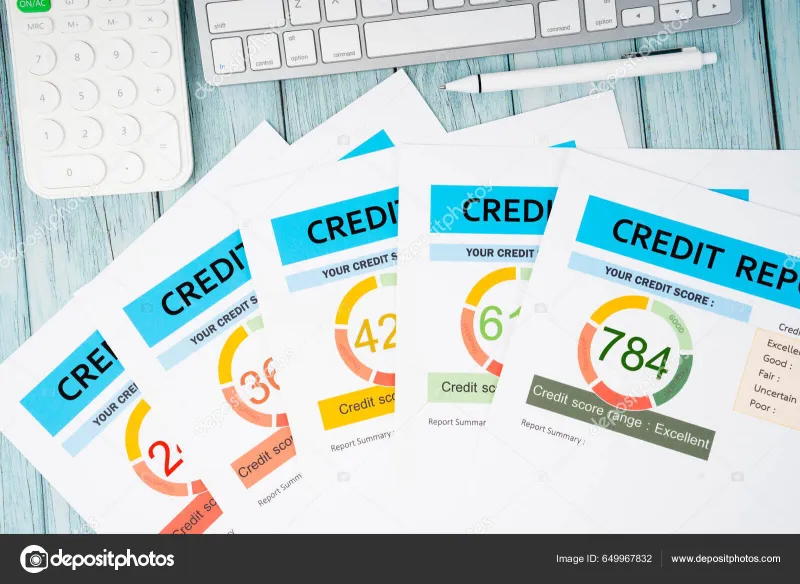
Zero or one — you're a Builder, and that's a strength, not a consolation. Park the property search, maximise what your deposit earns (a Lifetime ISA's 25% bonus is free money if you're eligible), and attack the two things that will transform your position: income and credit file. Builders who wait deliberately usually buy better than Buyers who rushed.
The Bit Everyone Forgets
Whichever camp you land in, the worst outcome isn't buying too early or too late. It's spending three years in limbo — too anxious to buy, too comfortable to save aggressively — while the decision makes itself by default.
The ladder doesn't reward perfect timing. It rewards people who pick a rung and actually step on it.