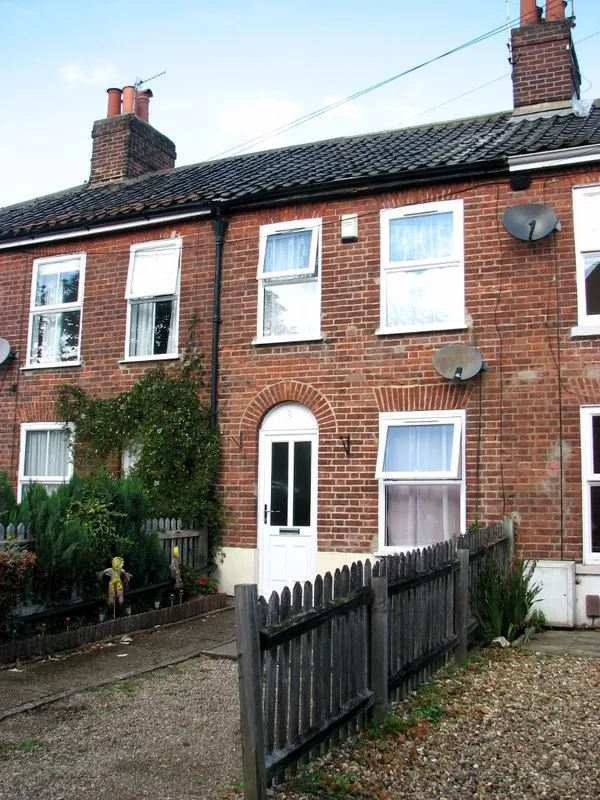
The Stopgap Flat Tax: What 'Just Get On the Ladder' Actually Costs You
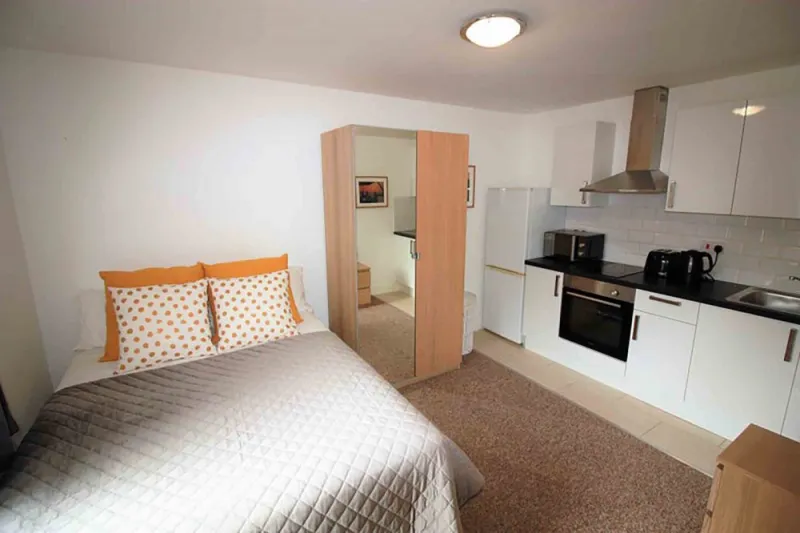
Photo: small cramped flat interior apartment block UK, via www.deadlinenews.co.uk
There's a piece of advice that gets handed down like a family heirloom in British personal finance: just get on the ladder. Buy the studio. Buy the ex-council flat with the 68-year lease. Buy the ground-floor maidens in the town you'd never choose to live in. Because 'the market waits for no one' and 'renting is dead money'.
We've written plenty about the pressures pushing first-timers towards that thinking. But there's a version of this advice that deserves far more scrutiny than it gets — because sometimes the cheapest door on the ladder is the most expensive rung you'll ever step on.
The Basement Rung
Picture the ladder metaphor properly. Rungs go up. But some properties are effectively in the basement — technically on the ladder, but positioned somewhere you'll spend years paying to climb out of.
A stopgap flat isn't a neutral starting point. It's a financial position with its own gravity. And the costs of being in it are rarely visible on the listing.
The Charges That Never Sleep
Start with the obvious suspects. Ground rent on leasehold flats can run from a peppercorn to hundreds of pounds a year, and some modern developments have doubling clauses that make the flat harder to sell later. Service charges in new-build blocks routinely sit between £1,800 and £3,000 a year — money that buys you nothing you'd choose to buy and builds you no equity whatsoever.
Then there's the lease itself. Anything under 80 years is a slow leak: remortgaging gets trickier, extending costs thousands, and buyers' solicitors will flag it in red. You inherit the problem, then pass it on — usually at a discount.
None of this shows up in the headline price. A £145,000 flat with a £2,400 annual service charge and a 71-year lease is not a £145,000 flat.
The Resale Trap Nobody Priced In
Here's the part that stings. The whole pitch of the stopgap purchase is that you'll 'trade up in a few years'. But trading up requires someone to buy your basement rung — and the buyer of a compromised flat in a compromised location is negotiating from strength.
Location matters here in a way that's brutally unforgiving. In towns with lots of similar stock and thin demand, your flat competes with every other seller who had the same idea in 2021. In areas where the local economy depends on one industry, resale values can stall while the national average climbs. The 'high-salinity' problem: when everyone around you is also trying to sell, your exit door shrinks.
Do the Maths on Moving Twice
Every property transaction in England costs money on the way in and the way out. Solicitors, survey, mortgage fees, removals, EPC, stamp duty (yes, the surcharge applies to second homes — but even a straight sale-and-buy has real costs). A realistic figure for a modest move is £8,000–£15,000 all-in.
Buy a stopgap now and trade up in three years, and you've paid that bill twice in quick succession — plus the leasehold charges, plus any resale discount. Compare that with renting for 18–24 months while your deposit grows from £20k to £35k. Suddenly renting isn't dead money. It's deferred purchase power.
When Buying Cheap Still Makes Sense
We're not saying never. The stopgap works if:
- The compromises are ones you can live with for a decade, not three years — because that's often how long it takes
- The charges are genuinely low — freehold houses, peppercorn rents, capped service charges
- You'd happily stay if the market stalled — this is the single best stress test
- The area has genuine demand, not just cheap prices
If you wouldn't stay five years if prices froze tomorrow, you're not buying a home. You're buying a position you'll pay to unwind.
The Uncomfortable Verdict
'Just get on the ladder' is advice that made sense in a market where every rung rose together. In 2025's patchwork market — where some towns have barely moved in five years and leasehold reform is still working through the system — the bottom rung can be a trapdoor with a mortgage attached.
Renting for another 18 months while you save harder isn't a failure of nerve. Sometimes it's the cheapest move you'll ever not make.